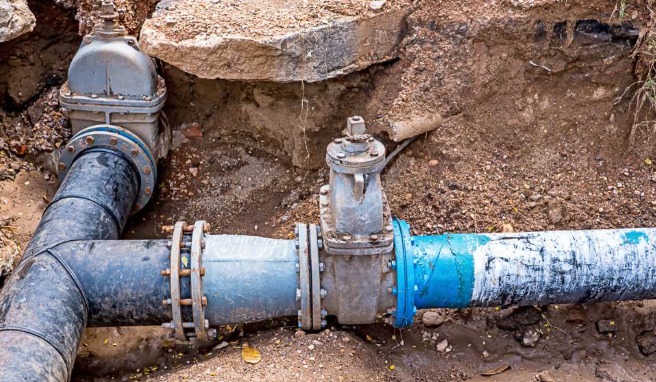
Sustainable Sewer Engineering: Gravity Mains, Pump Stations & Wastewater Treatment
Proper sewer and wastewater management is fundamental to public health, environmental protection, and sustainable development. In Zimbabwe, where urban populations are growing and industrial activity is expanding, well-designed sewer systems are more critical than ever. At BNK Ultimate Solutions, we provide integrated sewer engineering and utility solutions that support sustainable infrastructure development and efficient waste management for residential estates, commercial developments, and industrial facilities.
This comprehensive guide explores the key components of modern sewer systems—gravity sewers, rising mains, pump stations, treatment works, stormwater drainage—and best practices for design, installation, rehabilitation, and environmental compliance across Zimbabwe.
"A properly engineered sewer system protects public health, preserves environmental quality, and supports sustainable urban growth. Smart Solutions. Stronger Futures."
What is Sewer Engineering?
Sewer engineering encompasses the planning, design, construction, operation, and maintenance of infrastructure that collects, conveys, treats, and disposes of wastewater (sewage). A complete sewer system includes:
- House/Building Connections (Laterals): Pipes that carry wastewater from individual properties to the main sewer network
- Gravity Sewer Mains: Underground pipes that convey wastewater by gravity flow (sloped pipelines)
- Manholes: Access points for inspection, cleaning, and maintenance of sewer lines
- Rising Mains (Force Mains): Pressurized pipelines that convey sewage from pump stations to higher elevations or treatment plants
- Sewage Pump Stations: Facilities that lift sewage when gravity flow is not feasible due to flat terrain or deep excavations
- Wastewater Treatment Works (WWTW): Facilities that treat sewage to safe discharge or reuse standards
- Stormwater Drainage: Separate systems that convey rainwater runoff
Why Zimbabwe Needs Professional Sewer Engineering
Zimbabwe faces several sewer infrastructure challenges:
- Aging infrastructure: Many existing sewer networks in Harare, Bulawayo, Mutare, and other cities are decades old, suffering from frequent blockages, collapses, and exfiltration
- Rapid urbanisation: New residential estates and commercial developments require properly designed sewer networks
- Flat topography challenges: Much of Zimbabwe's urban land is relatively flat, requiring pump stations and careful hydraulic design
- Environmental protection concerns: Untreated sewage discharge into rivers (such as the Manyame, Mazowe, and Umguza) causes significant environmental damage
- Groundwater protection: Leaking sewers can contaminate groundwater sources used for drinking water
Types of Sewer Systems
1. Separate Sewer Systems
Description: Two completely independent pipe networks—one for sanitary sewage (from toilets, sinks, kitchens, industrial wastewater) and another for stormwater (rainwater runoff).
Best Applications: Modern residential estates, new commercial developments, and areas where treatment plant capacity is limited (stormwater can overwhelm treatment plants).
Advantages: Treatment plants only receive sanitary sewage (smaller capacity required), stormwater discharged directly to rivers without treatment, no combined sewer overflows during heavy rain.
Limitations: Higher capital cost (two separate networks), requires more space for two pipe systems.
2. Combined Sewer Systems
Description: A single pipe network carries both sanitary sewage and stormwater runoff to the treatment plant.
Best Applications: Older city centres (Harare CBD, Bulawayo CBD) with existing combined sewers, dense urban areas with limited space for separate systems.
Advantages: Lower capital cost (single pipe network), only one set of pipes to maintain.
Limitations: Treatment plants can be overwhelmed during heavy rain (may bypass untreated sewage to rivers), larger diameter pipes required.
3. Vacuum Sewer Systems
Description: Uses differential air pressure (vacuum) to transport sewage, rather than gravity or pressure pumps.
Best Applications: Flat terrain where gravity sewers would require deep excavation, environmentally sensitive areas where leaks must be avoided, areas with high groundwater table.
Advantages: Shallow pipe burial (only 1-1.5 metres), no lift stations required, very low exfiltration risk.
Limitations: Higher operating energy costs, more complex maintenance, limited to smaller diameter pipes.
Key Components of Sewer Systems
1. Gravity Sewer Mains
How They Work: Wastewater flows downhill by gravity. Pipes are installed with a continuous downward slope (minimum gradient typically 1:100 to 1:200 depending on pipe diameter).
Materials:
- uPVC (Unplasticised Polyvinyl Chloride): Most common for smaller diameters (DN100-DN300); lightweight, corrosion-resistant, smooth bore
- HDPE (High-Density Polyethylene): For medium diameters (DN150-DN600); flexible, leak-free butt fusion joints
- Concrete (Reinforced or Unreinforced): For larger diameters (DN300-DN1500); durable, economical for large projects
- Ductile Iron: For high load areas (road crossings, deep burial); strong, impact-resistant
Design Considerations: Minimum velocity (0.6-0.8 m/s) to prevent solids settling; maximum velocity (3-4 m/s) to prevent pipe erosion; minimum pipe cover (1-1.5 metres) to prevent traffic damage; manhole spacing (60-150 metres) depending on pipe diameter.
2. Manholes
Purpose: Provide access for inspection, cleaning (rodding/jetting), maintenance, and flow monitoring.
Types:
- Precast concrete manholes: Durable, standard sizes, economical
- Plastic (PE or PP) manholes: Lightweight, corrosion-resistant, watertight
- Brick or block manholes: Traditional construction, versatile shapes
Components: Base with benching (concrete slopes directing flow to channels), shaft (vertical access), step irons or ladder (for entry), and cover (traffic-rated or light-duty).
3. Rising Mains (Force Mains)
How They Work: Pressurized pipelines that convey sewage from pump stations to higher elevations or to the treatment plant. Pumps create pressure (typically 2-8 bar / 200-800 kPa) to push sewage uphill or over long distances.
Materials: HDPE is preferred for rising mains due to flexibility, corrosion resistance, and leak-free joints. Ductile iron for larger diameters or high pressures.
Key Design Considerations: Surge/water hammer protection (air valves, surge tanks), velocity (0.9-2.5 m/s to prevent solids settling), and pigging access for cleaning.
4. Sewage Pump Stations
Purpose: Lift sewage when gravity flow is not feasible due to:
- Flat topography (insufficient slope for gravity flow)
- Deep excavations (prohibitively expensive to bury pipes deep enough for gravity)
- Crossing high points (siphons or pumping required)
- Discharging to a treatment plant at higher elevation
Components: Wet well (underground tank receiving incoming sewage); submersible pumps (typically 2-3 pumps, duty/standby configuration); control panel (level sensors, pump start/stop logic, alarms); valve chamber (non-return valves, isolation valves); odor control system; emergency overflow with alarm.
Pump Station Sizing: BNK calculates pump capacity based on peak flow (typically 2-3x average dry weather flow), total dynamic head (static lift + friction losses), and required redundancy (N+1 pump configuration).
5. Wastewater Treatment Works (WWTW)
Purpose: Treat sewage to levels that meet environmental discharge standards (e.g., EMA Zimbabwe requirements) or for water reuse (irrigation, industrial cooling, groundwater recharge).
Treatment Stages:
- Preliminary Treatment: Screens remove large solids (rags, plastics); grit removal chambers settle sand and gravel.
- Primary Treatment: Sedimentation tanks (primary clarifiers) remove 50-60% of suspended solids and 30-40% of BOD (biological oxygen demand).
- Secondary Treatment (Biological): Activated sludge process (aeration tanks + final clarifiers) removes 85-95% of BOD and suspended solids. Alternatives: trickling filters, lagoons (oxidation ponds), MBBR (moving bed biofilm reactor), or SBR (sequencing batch reactors).
- Tertiary Treatment (Polishing): Nutrient removal (nitrogen and phosphorus), disinfection (chlorination, UV, ozonation), filtration (sand or membrane). Produces high-quality effluent suitable for reuse.
- Sludge Treatment: Thickening, digestion (aerobic or anaerobic), dewatering (centrifuges, belt presses), and disposal (landfill, agricultural use, incineration).
BNK Solutions: We design, construct, and provide operational support for wastewater treatment works, from small package plants (for housing estates, lodges, hospitals) to large municipal facilities.
Stormwater Drainage Engineering
Stormwater management is often integrated with sewer engineering, though separate systems are preferred. BNK provides:
- Hydraulic design: Rational method or modelling (SWMM, InfoWorks) for flow calculations based on rainfall intensity and catchment area
- Open channels and drains: Concrete-lined or grassed channels conveying stormwater to rivers
- Underground storm sewers: Large-diameter pipes (concrete, HDPE) for urban drainage
- Detention ponds: Temporary storage to reduce peak flows downstream
- Erosion protection: Riprap, gabions, or concrete lining at outlets
BNK's Sewer Engineering Process
When you partner with BNK Ultimate Solutions for sewer infrastructure, we follow a comprehensive eight-stage process:
1. Feasibility Study and Site Investigation
Site survey (topographic mapping, utilities location), geotechnical investigation (soil conditions, groundwater table), flow estimation (population projections, flow factors), and receiving environment assessment (discharge point for treated effluent).
2. Hydraulic Network Design
Using industry-standard software (InfoWorks, SewerCAD, or similar), we model: peak flow rates (dry weather flow + infiltration + inflow), pipe sizing based on gravity slope or pump capacity, manhole locations and depths, and pump station sizing and head calculations.
3. Detailed Engineering Drawings
Longitudinal sections (pipe profiles), manhole schedules, pump station layouts, treatment works process flow diagrams, and pipeline alignment plans.
4. Pipeline Installation
Site clearance and route marking, trench excavation (with shoring for deep excavations), pipe laying with proper bedding (sand or gravel), jointing (rubber ring for uPVC, butt fusion for HDPE), backfill and compaction (layer-by-layer), and pressure testing and CCTV inspection.
5. Pump Station Construction
Excavation and dewatering, reinforced concrete wet well construction, pump and pipework installation, electrical and control system installation, and commissioning and testing.
6. Wastewater Treatment Plant Construction
Civil works (tanks, buildings), mechanical installation (pumps, screens, aerators), electrical and controls (PLCs, SCADA), and biological start-up (seeding with bacteria).
7. Commissioning and Handover
Flow testing (verify capacity and velocities), pump performance verification (pressure, flow rate, power consumption), treatment plant performance verification (effluent quality testing), as-built drawings and O&M manuals, and staff training on operation and maintenance.
8. Rehabilitation of Ageing Infrastructure
For existing sewer networks suffering from frequent blockages, collapses, or exfiltration:
- CCTV inspection: Camera survey to identify defects (cracks, joints offsets, roots, debris, collapses)
- Pipe cleaning: High-pressure jetting to remove roots, grease, and sediment
- Trenchless rehabilitation methods: Cured-in-place pipe (CIPP) lining (installs a new pipe within the old one), pipe bursting (fragments old pipe and pulls new pipe), slip lining (inserts smaller diameter pipe into existing), and spot repairs (localised excavation and repair).
Environmental Compliance and Regulatory Requirements
In Zimbabwe, sewer and wastewater projects must comply with:
- Environmental Management Act (EMA) of Zimbabwe — requires Environmental Impact Assessment (EIA) for major projects
- Zimbabwe National Water Authority (ZINWA) effluent discharge regulations — limits for BOD, COD, suspended solids, nutrients, pathogens
- Municipal bylaws (Harare, Bulawayo, etc.) — connection requirements and discharge limits
- World Bank/IFC environmental standards — for internationally funded projects
BNK Solution: Our team includes environmental specialists who assist with environmental compliance monitoring and regulatory reporting support. We design systems that meet or exceed regulatory requirements, protecting your organisation from fines and legal action.
Common Sewer Problems and BNK Solutions
- Frequent blockages: Caused by inappropriate items flushed (wipes, sanitary products, grease), flat slopes (insufficient self-cleansing velocity), roots intruding through joints. BNK Solution: Proper slope design, root barriers, regular maintenance jetting.
- Pipe collapses: Caused by poor bedding, traffic loading, corrosion (hydrogen sulfide gas in sewers). BNK Solution: Proper pipe bedding and backfill, corrosion-resistant materials (HDPE, uPVC), CCTV inspection to identify at-risk sections.
- Pump station failures: Caused by ragging (wipes etc. wrapping around impellers), lightning strikes, control panel malfunctions. BNK Solution: Macerator pumps or grinders, surge protection, redundant (duty/standby) pumps, remote alarm monitoring.
- Exfiltration (leaking pipes): Caused by joint failure, cracks, corrosion. Can contaminate groundwater. BNK Solution: Leak-free HDPE or uPVC pipes, pressure testing, CCTV inspection, trenchless lining for rehabilitation.
Facility-Specific Sewer Solutions
Residential Estates and Housing Developments
Typical Challenges: Flat terrain in many Harare suburbs, individual property connections, fat/oil/grease (FOG) from kitchens
BNK Solutions: Gravity sewer network with manholes every 60-100 metres, individual inspection chambers at property boundaries, grease traps for commercial units within estates, connection to municipal treatment plant or on-site package plant for remote estates.
Commercial Developments (Shopping Centres, Hotels, Office Parks)
Typical Challenges: High peak flows (restaurants, laundry), grease and oil (kitchens), variable flow patterns (peak vs off-peak)
BNK Solutions: Pre-treatment (grease traps, oil-water separators), separate sewer connection for kitchens, flow balancing tanks for equalisation, and pump station with VFDs for variable flow.
Industrial Facilities (Manufacturing, Mines, Processing Plants)
Typical Challenges: Industrial wastewater may require pre-treatment (pH adjustment, heavy metal removal, oil separation), high flow volumes, potential for toxic or hazardous substances
BNK Solutions: Industrial pre-treatment systems (neutralisation, coagulation/flocculation, dissolved air flotation), dedicated industrial sewer network (separate from domestic sewer), on-site treatment or discharge to municipal sewer with pre-treatment, and environmental compliance monitoring.
Lodges and Remote Facilities
Typical Challenges: No municipal sewer connection, sensitive environment (water bodies, wildlife), seasonal flow variations
BNK Solutions: Package wastewater treatment plants (compact, containerised units) using MBBR or SBR technology, constructed wetlands (natural treatment for sensitive areas), and treated effluent reuse for irrigation (zero discharge to environment).
Case Study: Residential Estate Sewer Network, Harare South
BNK Ultimate Solutions recently designed and constructed a gravity sewer network for a 500-stand residential estate in Harare South. The project included:
- 6.8 km of uPVC gravity sewers (DN200-DN400)
- 85 precast concrete manholes
- One sewage pump station (three submersible pumps: two duty, one standby) to lift sewage to the municipal main at a higher elevation
- 850 metres of HDPE rising main (DN150, PN16)
- 500 individual property connections with inspection chambers
- Grease traps for the estate's commercial centre (shops, restaurants)
Results: The system reliably conveys sewage from all 500 stands. The pump station includes remote monitoring (cellular telemetry) for 24/7 alarm notification. Environmental compliance was achieved with zero exfiltration (all joints tested). The estate obtained EMA approval and municipal connection permit.
Maintenance Contracts for Sewer Systems
BNK offers comprehensive maintenance contracts to protect your sewer infrastructure investment:
- Monthly inspections: Manhole inspections (cover condition, structural integrity, sediment levels), flow monitoring (detect reductions indicating blockages), pump station checks (run hours, vibration, seal integrity).
- Quarterly cleaning: High-pressure jetting (remove roots, grease, sediment), CCTV inspection to identify defects, pump station servicing (clean wet well, inspect valves).
- Annual service: Full system CCTV survey (identify pipes needing rehabilitation), pump station (change oil, replace wear parts), control panel testing (alarms, level sensors).
- 24/7 emergency call-out: Blockage clearance (rodding/jetting), burst pipe repair (excavation and replacement), pump station failure response (standby pump replacement).
Why Choose BNK Ultimate Solutions for Sewer Engineering?
- ✓ Qualified civil and environmental engineers with extensive sewer project experience
- ✓ Professional hydraulic modelling—no rule-of-thumb pipe sizing
- ✓ Quality materials (uPVC, HDPE, concrete) from reputable manufacturers
- ✓ Complete service: network design, pipeline installation, pump stations, treatment works, and rehabilitation
- ✓ Trenchless rehabilitation expertise (CIPP lining, pipe bursting)
- ✓ Environmental compliance support (EIA, discharge permits)
- ✓ Maintenance contracts and 24/7 emergency response
- ✓ Over a decade of combined expertise with 100+ completed sewer projects across Zimbabwe
Conclusion: Invest in Sustainable Sewer Infrastructure
Properly designed, constructed, and maintained sewer systems protect public health, preserve environmental quality, and support sustainable development. Ageing infrastructure requires professional assessment and rehabilitation. New developments require expert design to ensure reliable, cost-effective systems.
At BNK Ultimate Solutions, we deliver complete sewer engineering solutions—from gravity mains and rising mains to pump stations, treatment works, and stormwater drainage—for residential, commercial, and industrial clients across Zimbabwe.
Contact BNK Ultimate Solutions today for a comprehensive sewer system assessment or new project design.